

The Essential Guide to Professional Gutters for Lasting Water Protection
December 22, 2025
Proper water management is crucial for maintaining the structural integrity of any home or building. Gutters, often overlooked, play a pivotal role in directing rainwater away from foundations, walls, and landscaping. Without a reliable gutter system, water can infiltrate basements, damage siding, erode soil, and even compromise the overall safety of a property. Homeowners and property managers alike must recognize that gutters are more than aesthetic features—they are critical components in protecting long-term investments. Investing in professional gutters ensures that water flows efficiently and prevents the costly consequences of water damage over time.
Beyond water protection, modern gutter systems offer solutions tailored to a building’s unique architecture and local climate conditions. From seamless aluminum designs to copper or steel options, professional installation ensures durability, optimal performance, and minimal maintenance. Furthermore, properly designed gutters can enhance a property’s curb appeal while functioning as a first line of defense against weather-related damage. Understanding the benefits, materials, installation practices, and maintenance of professional gutters empowers homeowners to make informed decisions that safeguard both their property and their peace of mind.
1. Understanding the Importance of Gutters
Why Gutters Are Essential
Gutters serve as a conduit for directing rainwater and melting snow away from a building’s foundation. Without them, water can accumulate near the base of the structure, leading to erosion, basement flooding, and even foundational cracks. In extreme cases, water infiltration can compromise structural stability, necessitating costly repairs. Gutters are also crucial in protecting landscaping, preventing soil displacement, and maintaining the overall aesthetic of a property.
Real-World Scenarios
Consider a home located in a region with heavy rainfall. Without an effective gutter system, downspouts can’t channel water away from the foundation, creating soggy soil and increased hydrostatic pressure against basement walls. Over time, this scenario can lead to leaks, mold growth, and a damaged foundation. A well-designed gutter system mitigates these risks by providing a controlled path for water flow.
2. Types of Gutter Systems
Seamless vs. Sectional Gutters
Seamless gutters are custom-made to fit a building’s dimensions and minimize the risk of leaks at joints. They provide a sleek appearance and require less maintenance over time. Sectional gutters, composed of pre-cut segments, are easier to install but can develop leaks at seams. Both types serve the purpose of water diversion, but seamless options are generally considered more durable and effective in heavy rainfall areas.
Material Options
- Aluminum: Lightweight, rust-resistant, and cost-effective. Aluminum gutters are widely used for residential properties.
- Copper: Offers superior longevity and a visually appealing patina but comes at a higher cost.
- Steel: Extremely durable but susceptible to rust if not properly coated or maintained.
- Vinyl: Affordable and easy to install but may warp in extreme temperatures.
Choosing the Right Gutter
Selecting the appropriate gutter material and type depends on climate, budget, and the architectural style of the property. For instance, copper gutters are ideal for historic homes or premium properties, while aluminum or vinyl options work well for modern, cost-conscious installations.
3. Installation Best Practices
Proper Slope and Alignment
Correct installation begins with ensuring the gutters have a slight slope toward downspouts—usually around 1/4 inch per 10 feet. This angle allows water to flow efficiently, preventing standing water and ice dams. Misaligned gutters can lead to overflow, water pooling, and damage to fascia boards.
Downspout Placement
Downspouts should be strategically placed to direct water at least 3–4 feet away from the foundation. Incorporating extensions or splash blocks further reduces erosion and water accumulation near the building base. Multiple downspouts may be necessary for larger roofs or areas with heavy rainfall.
Securing Gutters
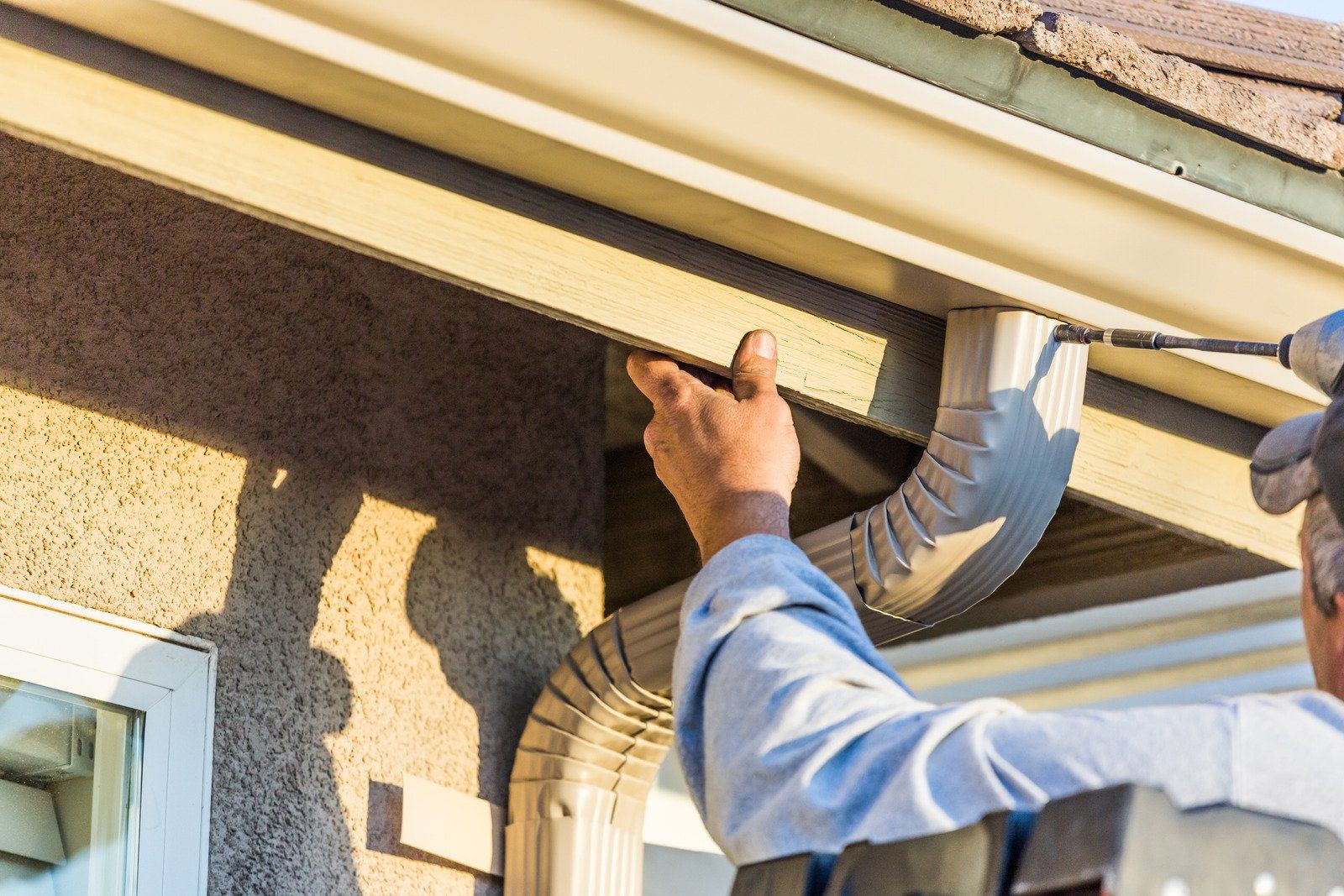
Professional installers use hangers, brackets, and fasteners to secure gutters firmly to fascia boards. Proper attachment is essential to withstand wind, debris, and ice during winter months. Loose or improperly secured gutters are prone to sagging and can fail under heavy load.
4. Gutter Maintenance and Cleaning
Regular Inspection
Routine inspections are critical for ensuring long-term performance. Homeowners should check for sagging, leaks, rust, and debris accumulation at least twice a year, typically in spring and fall. Early detection of potential issues prevents small problems from escalating into costly repairs.
Cleaning Techniques
Cleaning involves removing leaves, twigs, and other debris from gutters and downspouts. Using a gutter scoop, leaf blower, or pressure washer can be effective methods. Additionally, flushing downspouts with water confirms proper flow and identifies blockages.
Leaf Guards and Protective Accessories
Installing leaf guards or gutter screens can reduce the frequency of cleaning while maintaining water flow. These accessories prevent large debris from entering the gutter system and decrease the risk of clogs, overflow, and ice dams during winter months.
5. Addressing Common Gutter Challenges
Leaks and Joint Failures
Leaks often occur at seams or joints, especially in sectional gutters. Sealants or gutter-specific adhesives can temporarily fix minor leaks, but professional assessment is recommended for long-term solutions. Seamless gutters significantly reduce the risk of such failures.
Ice Dams and Winter Issues
In colder climates, ice dams can form along the edges of gutters, causing water to back up under roofing materials. Adequate insulation, proper slope, and heated gutter solutions can mitigate these risks. Regular snow and ice removal are also critical during extreme winter conditions.
Corrosion and Wear
Metal gutters, particularly steel, are prone to corrosion over time. Regular cleaning, rust prevention treatments, and protective coatings extend the lifespan of these systems. Homeowners should inspect for discoloration, pitting, or soft spots that indicate weakening metal.
Clogging and Overflow
Leaves, pine needles, and debris can block water flow, causing gutters to overflow and damage siding, landscaping, and foundations. Implementing proper maintenance schedules and considering gutter guards are effective preventative measures.
6. Enhancing Gutter Performance and Longevity
Proper Sizing and Capacity
Selecting the correct gutter size is essential for handling the roof’s runoff. Standard residential gutters are typically 5 inches wide, but larger roofs or heavy rainfall areas may require 6 inches or more. Oversized gutters reduce the risk of overflow and prolong the system’s service life.
Integration with Roof and Drainage Systems
Gutters should work seamlessly with roofing materials, downspouts, and drainage solutions. Coordinating with other water management systems, such as French drains or rainwater harvesting setups, maximizes protection against water-related damage.
Professional Installation and Periodic Upgrades
Hiring experienced professionals ensures accurate measurements, slope calculations, and secure installations. Over time, upgrading to more durable materials, adding leaf guards, or expanding capacity may enhance performance and reduce maintenance demands.
Aesthetic and Value Considerations
Beyond functional performance, gutters contribute to a property’s visual appeal. Matching materials and colors to architectural styles not only enhances aesthetics but also adds long-term value, making gutters both a protective and design-focused investment.
Strategic Insights for Homeowners
Planning for Local Climate
Homeowners should consider local rainfall patterns, snow loads, and seasonal debris when selecting gutter systems. Regions with heavy rainfall may require more robust materials and multiple downspouts, while areas with lots of trees benefit from leaf guards or screens.
Cost-Benefit Analysis
While high-end materials like copper offer superior longevity, more affordable options like aluminum still provide excellent protection when installed professionally. Evaluating long-term maintenance costs against initial investment ensures homeowners make informed decisions.
Leveraging Expert Advice
Consulting with professional gutter installers or water management specialists helps homeowners identify the best solutions for their property. Experts can perform precise calculations, recommend appropriate materials, and suggest preventative strategies that homeowners might overlook.
7. Advanced Gutter Solutions and Innovations
Seamless Gutter Technology
Modern seamless gutters minimize leaks and reduce maintenance requirements. Custom fabrication allows for perfect fitment, eliminating joint-related failures common in sectional systems.
Gutter Heating and Ice Prevention
Heated gutter systems prevent ice dams and ensure continuous water flow during winter. These solutions are particularly valuable in colder climates where frozen water can damage both gutters and roofing materials.
Rainwater Harvesting Integration
Gutters can be part of sustainable water management systems. By directing runoff into rain barrels or underground storage tanks, homeowners can use captured water for irrigation, reducing municipal water consumption and promoting eco-friendly practices.
Smart Monitoring Systems
Emerging technologies include smart sensors that detect blockages, overflow, or leaks. Connected to smartphones, these systems allow homeowners to monitor gutter health remotely, ensuring timely maintenance and preventing damage.
Ensuring Long-Term Water Management With Expert Strategies
Professional gutters are indispensable for protecting a property against water damage, preserving structural integrity, and enhancing long-term value. From material selection and proper installation to maintenance and advanced solutions, every aspect of a gutter system contributes to its effectiveness. By addressing challenges such as clogs, leaks, ice dams, and corrosion, homeowners ensure a reliable water management system that reduces costly repairs and preserves landscaping and building aesthetics. Investing in quality gutters is not merely a maintenance task but a strategic decision to safeguard one of the most significant investments—a home or commercial property.
Affordable Home Services (Roof Savers), based in Columbus, Ohio, brings over 20 years of experience in professional gutter and roofing solutions. Our team specializes in installing, maintaining, and upgrading gutters tailored to every property’s unique needs. With decades of hands-on expertise, we provide durable, efficient, and aesthetically pleasing systems that protect homes from water damage and foundation issues. Committed to customer satisfaction, we combine advanced technology, high-quality materials, and proven installation practices to ensure every project meets the highest standards. Homeowners in Columbus trust Affordable Home Services for expert guidance, meticulous craftsmanship, and long-lasting water protection solutions that enhance both safety and curb appeal.
Get Your Free Quote Today!
Affordable Home services (Roof Savers) is here to help with expert roofing, siding, gutters, windows, doors & insulation. Call us now or click below to get started with your free estimate in Columbus, Ohio and nearby areas.