

Professional Attic Insulation as a Smart Investment for Year-Round Comfort
February 20, 2026
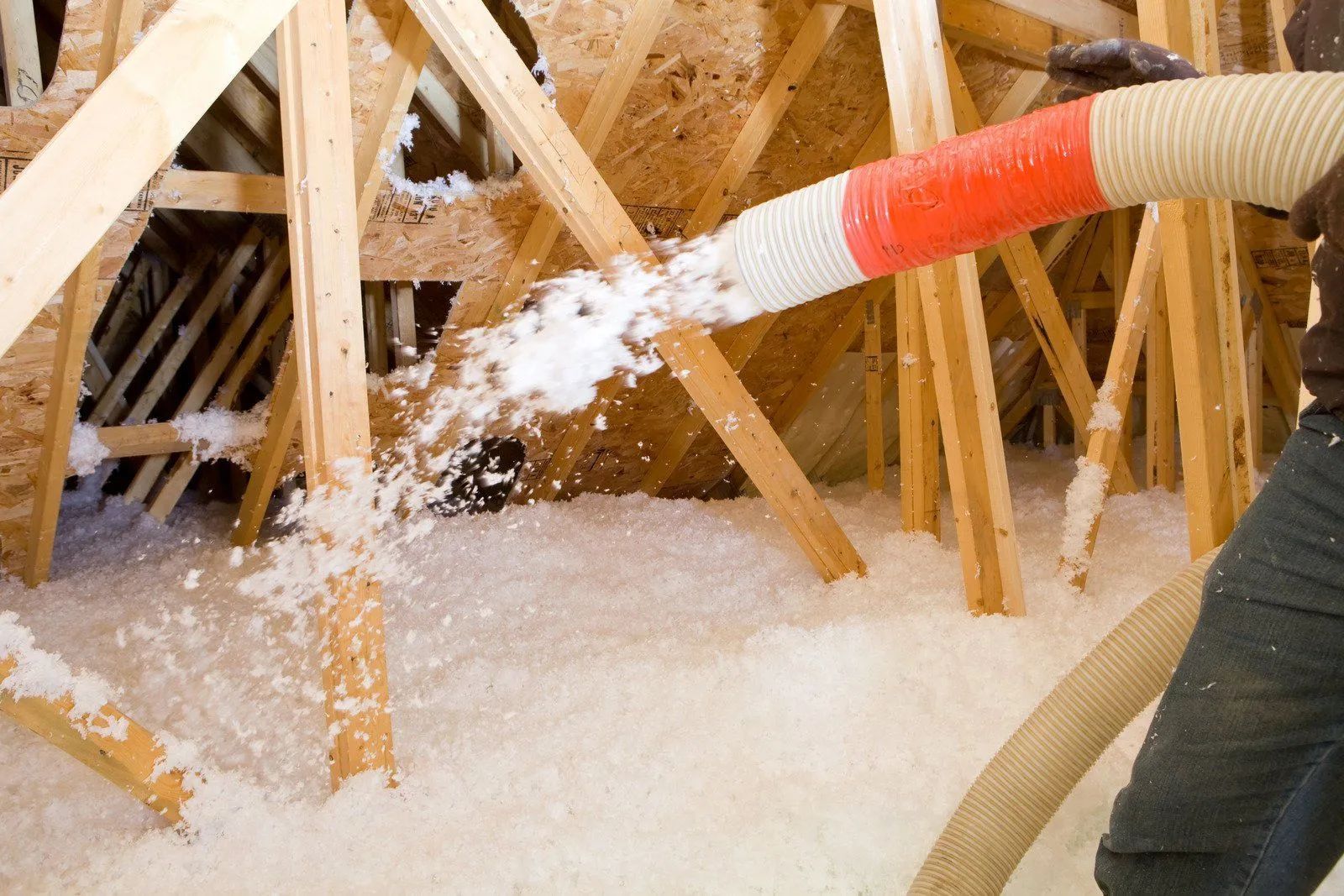
A well-insulated attic is more than just a layer of protection for your home—it is a strategic investment that significantly impacts energy efficiency, comfort, and long-term savings. Many homeowners underestimate the role that attic insulation plays in regulating indoor temperatures and reducing utility costs. Without proper insulation, heat escapes during the winter, and unwanted warmth infiltrates during the summer, forcing HVAC systems to work harder and increasing energy bills. Beyond cost implications, inadequate attic insulation can lead to uneven temperature distribution, moisture buildup, and even structural damage over time, making it a critical aspect of home maintenance.
Professional attic insulation addresses these challenges by providing a tailored, high-quality barrier against temperature fluctuations and environmental stresses. With advancements in insulation materials and installation techniques, homeowners now have options that not only improve energy efficiency but also contribute to healthier indoor air quality and long-term home value. Investing in attic insulation is no longer just about comfort; it is a proactive approach to protecting your property, minimizing energy consumption, and ensuring a consistent, year-round indoor climate. Understanding the benefits, challenges, and best practices of attic insulation can help homeowners make informed decisions that deliver measurable results.
1. Understanding Attic Insulation and Its Importance
- What Attic Insulation Does:- Attic insulation serves as a barrier between the living spaces of a home and the external environment. Its primary function is to reduce heat transfer, maintaining a stable indoor temperature regardless of weather conditions. In colder months, insulation traps heat inside the home, preventing warmth from escaping through the roof. Conversely, in warmer months, it keeps hot air from penetrating living spaces, reducing reliance on air conditioning.
- The Science Behind Energy Efficiency:- Energy efficiency in homes is largely dependent on thermal resistance, commonly measured as R-value. The higher the R-value, the more effectively insulation resists heat flow. Professional attic insulation ensures consistent coverage and optimal thickness, which enhances the R-value and, in turn, reduces energy consumption. This not only lowers utility bills but also extends the lifespan of heating and cooling systems by minimizing strain.
- Real-World Implications:- Consider a home in a region with extreme seasonal temperatures. Without proper attic insulation, homeowners may notice higher energy bills, uneven room temperatures, and increased wear on HVAC equipment. Proper insulation can mitigate these issues, providing a tangible improvement in comfort and efficiency that homeowners can measure month after month.
2. Types of Attic Insulation and Their Applications
Fiberglass Insulation
Fiberglass is one of the most commonly used attic insulation materials due to its affordability and ease of installation. Available in batts or loose-fill form, fiberglass provides effective thermal resistance and is resistant to moisture and fire. Professional installation ensures even coverage, minimizing gaps that can compromise efficiency.
Cellulose Insulation
Cellulose insulation, often made from recycled paper treated for fire resistance, offers high R-values and superior coverage in irregular attic spaces. It is ideal for homeowners seeking an eco-friendly option without sacrificing performance. Blown-in cellulose fills small cavities and gaps more effectively than batts, providing a dense thermal barrier that improves year-round comfort.
Spray Foam Insulation
Spray foam insulation is a premium option that expands upon application to seal every crevice and corner. This creates an airtight barrier that not only improves energy efficiency but also acts as a moisture and pest deterrent. Closed-cell spray foam, in particular, provides superior insulation and structural reinforcement, making it a long-term solution for homes with challenging attic configurations.
Choosing the Right Insulation
The choice of insulation material depends on factors such as climate, attic accessibility, budget, and desired energy efficiency. Professionals evaluate these elements to recommend the most suitable solution, ensuring optimal performance and long-term benefits.
3. Benefits of Professional Attic Insulation
- Energy Savings and Reduced Utility Bills:- One of the most immediate benefits of attic insulation is energy conservation. Proper insulation reduces the workload on heating and cooling systems, leading to measurable savings on monthly energy bills. Studies indicate that well-insulated attics can lower heating costs by up to 20% and cooling costs by a similar margin, making insulation a financially savvy investment.
- Enhanced Indoor Comfort:- Attic insulation provides more consistent temperatures across all rooms, eliminating cold spots in winter and excessive heat in summer. This creates a comfortable living environment, improving overall quality of life while reducing the need to constantly adjust thermostats.
- Increased Home Value:- Energy-efficient homes are increasingly appealing in real estate markets. Professional attic insulation can enhance property value by improving energy performance and demonstrating that the home is well-maintained. Prospective buyers often view insulation as a sign of a thoughtful, long-term investment in the home’s infrastructure.
- Moisture and Pest Control:- Insulation materials like spray foam or dense cellulose can reduce condensation and moisture buildup in attics, mitigating mold growth and structural damage. Additionally, properly installed insulation acts as a deterrent against pests such as rodents and insects that thrive in poorly insulated spaces.
4. Common Challenges and How Professionals Overcome Them
Inconsistent Coverage
DIY insulation projects often leave gaps, compressed areas, or improperly layered materials, significantly reducing effectiveness. Professionals use specialized equipment and techniques to ensure uniform coverage, maintaining the designed R-value and maximizing energy efficiency.
Attic Ventilation Issues
Proper attic insulation requires careful consideration of ventilation to prevent moisture accumulation and overheating. Skilled contractors balance insulation installation with vent placement, maintaining airflow while preventing heat loss, thereby protecting both energy efficiency and structural integrity.
Material Selection and Compatibility
Selecting the wrong insulation for a specific attic environment can lead to performance issues. Professionals evaluate factors such as attic size, existing materials, climate, and potential moisture exposure to determine the best solution, ensuring long-term reliability and performance.
Installation Safety Concerns
Handling insulation materials can pose health risks, including skin irritation, respiratory issues, or injury from improper installation. Licensed professionals follow safety protocols, wear protective equipment, and adhere to building codes to minimize these risks, providing peace of mind to homeowners.
5. Best Practices for Maximizing Attic Insulation Benefits
- Conduct a Thorough Energy Audit:- Before installing insulation, professionals often perform a comprehensive energy audit to identify heat loss areas, insulation gaps, and airflow issues. This data-driven approach ensures that the insulation is targeted effectively, delivering maximum energy savings.
- Layering and Proper Thickness:- Achieving the correct insulation thickness and layering is critical for optimal performance. Professionals calculate the recommended R-value based on regional climate and home specifications, ensuring that the insulation performs efficiently throughout the year.
- Sealing Air Leaks:- Insulation alone is insufficient if air leaks persist in attics, around vents, or through gaps in the roofline. A professional installation includes air sealing measures to eliminate drafts, prevent energy loss, and enhance overall comfort.
- Regular Inspection and Maintenance:- Even high-quality insulation can degrade over time due to settling, moisture exposure, or pests. Scheduled inspections help identify issues early, allowing for adjustments or re-insulation as needed to maintain energy efficiency and comfort.
- Integration with Other Home Efficiency Measures:- Attic insulation works best when combined with complementary energy-saving measures, such as proper weatherstripping, energy-efficient windows, and upgraded HVAC systems. This holistic approach amplifies cost savings and improves overall home performance.
6. Real-World Impact and Case Studies
Scenario 1: Reducing Winter Heating Costs
A family living in a cold climate reported that their utility bills consistently spiked during winter months. After professional attic insulation installation using dense fiberglass batts and air sealing techniques, the household noticed a 25% reduction in heating costs within the first winter. Additionally, indoor temperatures stabilized, eliminating the need to overuse the thermostat.
Scenario 2: Enhancing Summer Comfort
In a region with hot, humid summers, a homeowner struggled with uneven cooling despite having a high-efficiency air conditioner. After spray foam insulation was installed in the attic, the home experienced consistent cooling, reduced energy consumption, and improved indoor air quality, demonstrating how insulation can directly impact comfort in warmer climates.
Scenario 3: Long-Term Home Investment
Another homeowner prioritized attic insulation as part of a broader home improvement plan aimed at increasing resale value. By choosing eco-friendly cellulose insulation and professional installation, the home’s energy efficiency rating improved significantly. When the property went on the market, buyers recognized the value of a well-insulated attic, resulting in a faster sale and a higher resale price.
These examples illustrate that attic insulation is not just a seasonal solution—it is a long-term investment with tangible financial, comfort, and health benefits.
Trusted Contractors Providing Long-Term Comfort and Savings
Investing in professional attic insulation offers a multifaceted return, improving energy efficiency, enhancing indoor comfort, and protecting the home from long-term damage. By choosing the right insulation material, ensuring proper installation, and integrating complementary energy-saving measures, homeowners can experience consistent year-round benefits while reducing operational costs. Attic insulation is a practical, value-driven solution that addresses both immediate comfort concerns and long-term home sustainability, making it a wise investment for any homeowner.
At Affordable Home services (Roof Savers), we bring over 20
years of expertise to every project in Columbus, Ohio. Our team of seasoned roofing contractors understands the critical role attic insulation plays in energy efficiency and home comfort. We specialize in professional, customized insulation solutions designed to meet the unique needs of each property. From thorough assessments to precise installation, our approach prioritizes performance, durability, and long-term value. Homeowners trust us for our reliability, skilled craftsmanship, and commitment to excellence. By partnering with Roof Savers, you ensure that your home remains comfortable, energy-efficient, and protected year-round, benefiting from a smart investment backed by decades of experience and proven results.
Get Your Free Quote Today!
Affordable Home services (Roof Savers) is here to help with expert roofing, siding, gutters, windows, doors & insulation. Call us now or click below to get started with your free estimate in Columbus, Ohio and nearby areas.